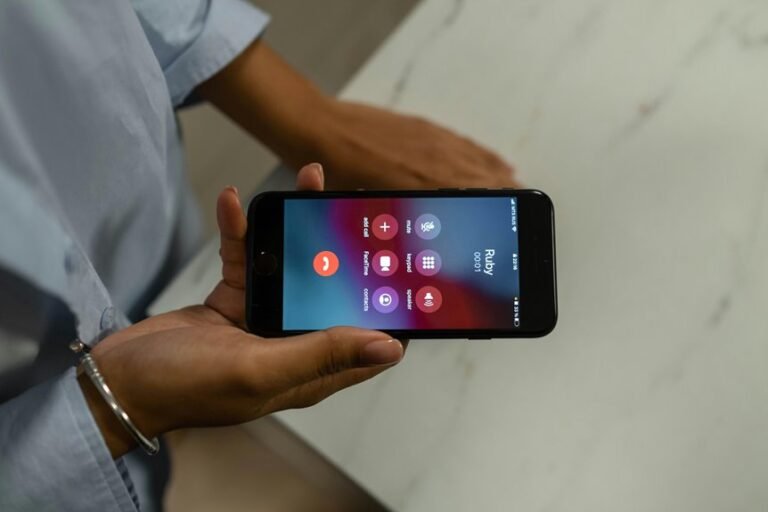
Latest Public Complaint Regarding 9184024367 and Alerts

The latest public complaint about 9184024367 centers on repeated unsolicited calls and the resulting privacy breach. Responders from regulatory, consumer protection, and law enforcement sectors are coordinating to map scope and deploy rapid fraud measures. Practical steps urge verification of caller identity, blocking unfamiliar numbers, and reporting suspicious messages. Red flags include pressure tactics and inconsistent information, which trigger alerts and accountability. A coordinated framework is emerging, but questions remain about effectiveness and ongoing safeguards.
What the 9184024367 Complaint Claims
The complaint regarding 9184024367 asserts that the recipient engaged in persistent unsolicited communications, violating established restrictions on contact and privacy protections.
The claim centers on privacy concerns and attempts to erode consent, portraying the activity as a pattern rather than an isolated incident.
It emphasizes scam awareness, urging vigilance and accountability to deter future invasions of personal boundaries.
How Responders and Authorities Are Reacting
Authorities and responders have moved quickly to assess the complaint, coordinating between regulatory bodies, consumer protection units, and law enforcement to determine the scope of alleged unsolicited contact.
The response emphasizes swift fraud responses and transparent authority alerts, ensuring accountability and timely public briefing.
This calibrated approach reassures citizens while preserving investigative rigor and safeguarding rights during ongoing inquiries.
Practical Steps to Protect Yourself Now
Immediate steps can reduce risk and limit exposure to the 9184024367 complaint; individuals should act now to verify caller identities, block unfamiliar numbers, and report suspicious messages.
The article outlines protective measures that reinforce scam awareness, supporting emergency preparedness and identity protection.
This concise guidance empowers readers to maintain freedom from intrusion, minimize impact, and foster proactive defense against future phishing and impersonation attempts.
Red Flags, Filing Steps, and Alerts to Watch For
Given ongoing concerns about the 9184024367 complaint, the article now highlights red flags, filing steps, and alerts to watch for. Red flags include unfamiliar calls, pressure tactics, and inconsistent information. Filing steps are documented reporting channels and timely submissions to responders and authorities. Alerts to watch for emphasize suspicious activity. Practical steps to protect yourself now rely on vigilance and prompt action.
Conclusion
In examining the 9184024367 complaint, the prevailing theory—that a coordinated network exploits persistent calls to intimidate and harvest data—appears plausible given rapid regulatory alignment and multi-agency action. While definitive proof remains pending, the pattern underscores systemic risk rather than isolated missteps. The conclusion urges ongoing vigilance, stricter verification, and robust reporting channels. If the theory holds, the public benefits from stronger protections, clearer accountability, and accelerated adoption of fraud-aware practices across households and institutions.